
Finlay Evans’s original contribution presents the United Kingdom through the choices a volunteer makes: a city placement or outdoor conservation work, a long stay or a shorter commitment, and accommodation near the project or a daily journey.
This edited edition preserves those practical observations. It leaves behind the 2020 draft’s prices and specific offers, which should not be treated as available today.
Choose a setting, then a role
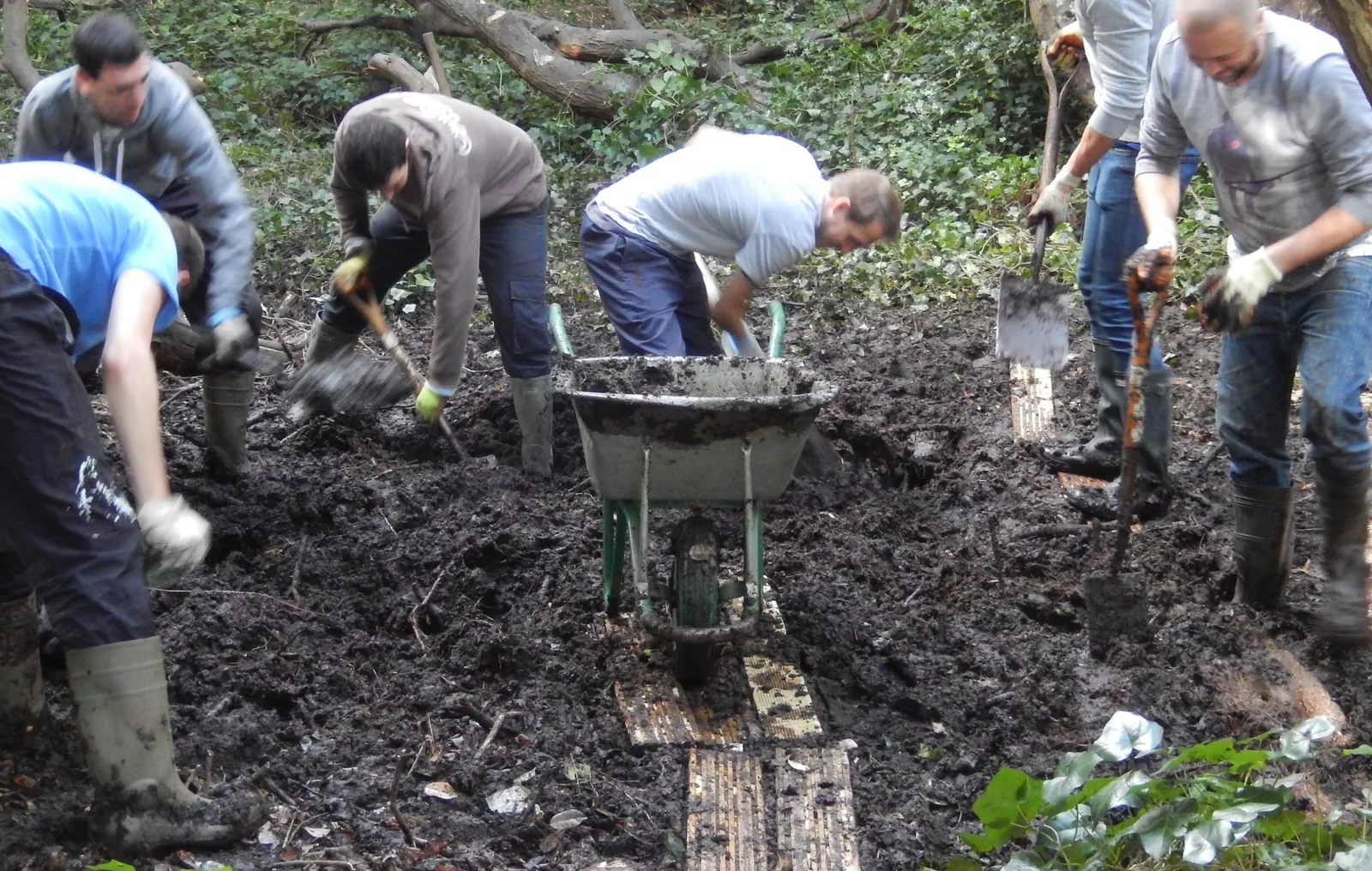
Finlay draws a distinction between opportunities in major cities and those in areas of natural beauty. The daily experience can be very different. A community service in a city and a conservation team working outdoors need different preparation, schedules and skills.
Start with the organization’s stated needs. Ask what a normal shift involves, who will supervise you and how long a commitment is useful. A place you want to visit is a starting point for research, rather than evidence that a role suits you.
Make accommodation a separate question
The draft highlights London housing costs as a planning concern and suggests looking closely at what a placement provides. Keep that question specific: is accommodation included, for which dates, with whom, and under what conditions?
Do not assume that volunteer work automatically includes a room or meals. Compare the full arrangement, including deposits, transport and any host contribution, before you commit. If you are considering camping or a hostel, confirm that it fits the project’s location and working hours.
Compare the whole journey
Finlay describes rail and long-distance coaches as different options to consider. A useful comparison is the whole journey from your accommodation to the project, rather than only a fare between city centres.
Check current operators, departure times, connections and the last service home. Ask the coordinator about the final stretch to a rural site. The original draft’s named services and bargain fares are not carried forward as current recommendations.
Pack for the work and the location
Rain and changing conditions are recurring themes in Finlay’s notes. The draft particularly calls attention to waterproof layers and sturdy footwear for work in national parks or on rough ground.
Ask your host which clothing and equipment the task requires, what they supply, and when work may be cancelled or moved indoors. Check the forecast for the exact place and dates. A packing list for a city visit may not prepare you for an outdoor shift elsewhere.
Notice regional differences
Finlay’s language section reminds readers that accents and regional languages vary across the UK. It is an invitation to listen and ask for clarification, rather than assume every conversation will sound familiar.
The draft also describes food markets, Sunday meals and varied local cuisines as ways to get to know a place between shifts. Ask the people you work with about their own routines and preferences; a national guide cannot speak for every community.
Keep the original date in view
Finlay dated the original contribution 2 May 2020 and explicitly warned that circumstances were changing. This edition is not a fresh verification of the providers or offers mentioned then.
For entry and activity permissions, check the UK government’s visa guidance for your nationality and intended role. Do not assume that unpaid work is automatically permitted by visitor status.
Continue with the UK country guide, then confirm the role, costs, supervision and safeguarding arrangements directly with the organization. Give Back Abroad charges no placement fee, while travel and living costs remain part of your plan.