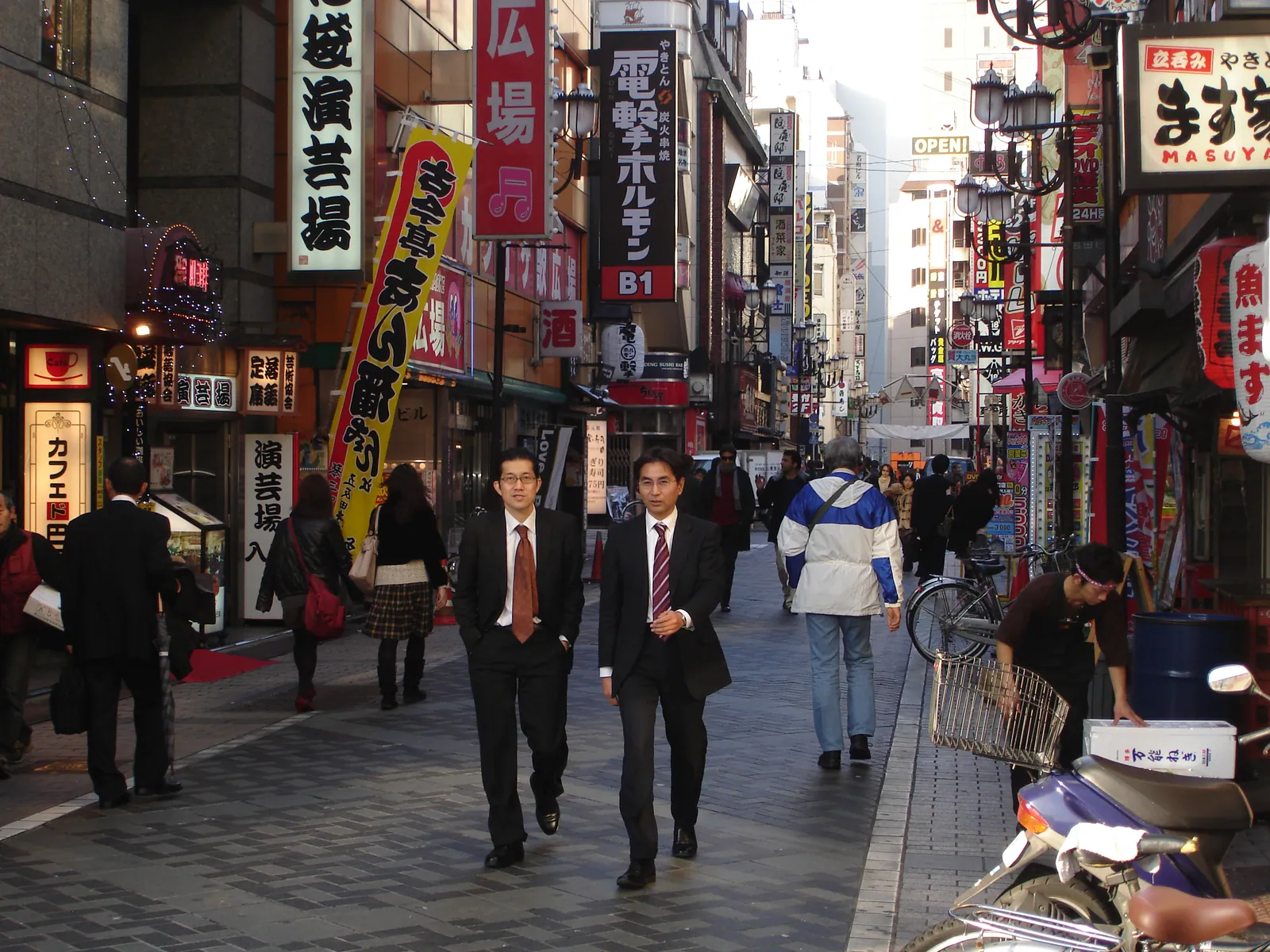

Visiting somewhere and settling into a daily routine are different experiences. The writer of our original Japan contribution wanted readers to look beyond the visitor itinerary: how do you ask about dinner, understand a household rule or get home after an evening out?
Those small questions are useful starting points when you are arranging a volunteer stay. Treat the notes below as prompts for a conversation with your host, rather than a checklist of how everyone in Japan lives.
Prepare for ordinary conversations
The original writer noticed that signs and information available in English varied between settings. Finding your way through a station may be a different experience from reading a menu or explaining a question at a local office.
Before arrival, ask your coordinator what language the team uses day to day and who can help if you get stuck. Save your accommodation address, the project address and a contact number in a form you can show someone. Learning a few expressions, including a thank-you, can make everyday exchanges more comfortable without pretending that a phrasebook replaces interpretation.
Understand the place you will actually live
The draft distinguishes a short visit from renting a home. Instead of assuming a standard apartment lease will fit a short placement, discuss the dates and accommodation arrangement with your host. Ask what is included, who shares the space and which costs you will pay.
One especially practical detail from the writer is household rubbish. Ask where it goes, how it is sorted and which collection days apply at your address. A neighbour or coordinator can explain a routine that a general travel guide cannot settle for your particular home.
Ask about ingredients before the meal
The contributor recalls friends finding halal, vegetarian and vegan meals harder to identify than they expected. Their advice was to prepare the vocabulary needed to ask about ingredients, rather than rely on how a dish looks.
Tell your host about dietary needs before agreeing to a stay. Ask about broths, sauces and shared cooking arrangements as well as the main ingredients. If you have an allergy, arrange a clear explanation of it and check whether the host can meet your needs.
Plan the way home
The writer describes public transport as something worth learning gradually, with station staff and route tools as sources of help. Their useful reminder is to check the last service before going out, rather than assuming an evening journey will work like a daytime one.
Check your actual route and timetable with the operator. Work backwards from the start and end of your volunteer shift, including the walk to your accommodation. Agree with your host how you will contact them if a connection changes or you arrive late.
Let the host explain expectations
What should you wear for your first shift? Which household routines matter? The draft encourages asking these questions instead of feeling embarrassed about them. Expectations depend on the organization, task and setting.
Before accepting a role, ask who supervises you, which skills it requires, what training is provided and how concerns are handled. Everyday curiosity works best alongside a clear agreement about the work.
Use this perspective alongside current information
The archived draft includes older advice that should not determine an immigration or financial decision today. Confirm your specific activities and entry permission through the Japanese Ministry of Foreign Affairs and the appropriate Japanese embassy or consulate.
Our Japan country guide provides a separate starting point for researching a stay. Give Back Abroad charges no placement fee; travel, insurance, housing and any disclosed host contributions still need to be budgeted for.