A Helping Hand: My Volunteer Experience with Edhi Foundation
GBA Community Writer
April 15, 2026
A Helping Hand: My Volunteer Experience with Edhi Foundation
What I learned serving with one of the world's largest volunteer welfare organizations.
Why I Started Volunteering
Pakistan is complicated. I've watched families struggle with basic needs, seen children work instead of going to school, and witnessed the gap between what people have and what they need.
I couldn't solve these problems alone. But I could play my part.
When I looked for a way to contribute, one name kept coming up: Edhi Foundation. Founded by Abdul Sattar Edhi, it's one of Pakistan's largest nonprofit welfare organizations. What drew me was its simplicity — no political agenda, no religious requirements, just pure service to humanity.
Their motto: "Live and Let Live" through "Live and Help Live."
What Edhi Foundation Actually Does
Edhi operates across Pakistan in ways that would surprise most Westerners unfamiliar with the organization:
Emergency Services
- Largest volunteer ambulance service in Pakistan
- Responds to accidents, medical emergencies, natural disasters
- Free service available to anyone, regardless of background
Orphanages and Homes
- Provides shelter to abandoned children
- Supports homeless adults
- Operates emergency rescue centers
Healthcare
- Low-cost and free clinics in underserved areas
- Drug rehabilitation centers
- Support for mental health services
Education
- Schools in areas where government schools don't reach
- Vocational training centers
- Scholarship programs for poor students
Community Services
- Free meal distribution (Langar)
- Marriage bureau for those who can't afford ceremonies
- Missing persons registry
- Graveyard and bathing services for those with no family
Helpline Services
- 24/7 emergency line
- Crisis intervention
- Referral services
The scope is staggering. And it's all run largely on donations and volunteer effort.
The Man Behind Edhi: Abdul Sattar Edhi
Understanding Edhi Foundation requires understanding Abdul Sattar Edhi himself.
Born in 1928, Abdul Sattar Edhi lost his mother when he was 19. She had been paralyzed and mentally ill, and her suffering shaped his life's direction. He couldn't help her. He decided he would help others instead.
He started with nothing. Worked odd jobs. Saved money. Eventually opened a small welfare center in Karachi.
His philosophy was simple: serve all, ask nothing, expect no recognition.
"No race, no religion, just humanity."
He lived modestly even as the organization grew massive. He never took a salary. He didn't accumulate personal wealth. Everything went back into service.
Edhi died in 2016. His legacy continues through the organization he built.
My Volunteer Experience: Langar Service
I chose to volunteer with the Langar service — free meal distribution. The work is straightforward: prepare food, distribute it to those who need it, clean up.
What I didn't expect was what it would teach me.
The Daily Operation
Langar operates through teams of about six people:
- Two cooks who prepare food
- Four distributors who deliver meals
Every area has a dedicated team. Volunteers rotate based on availability. The work happens daily, rain or shine.
When I started, I expected chaos — too many people, not enough food, disorganized distribution. I was wrong.
The system worked. Teams knew their areas. Regular volunteers understood which families needed support, which individuals were going through temporary hardship, which elderly people couldn't come to the distribution point and needed delivery.
What I Witnessed
Some experiences stay with you.
A family of six living in a single room. The father had lost his job. They'd eaten one meal a day for a week before accepting help.
An elderly man who refused assistance for months, too proud to admit need, until a health crisis forced him to accept the meal we delivered.
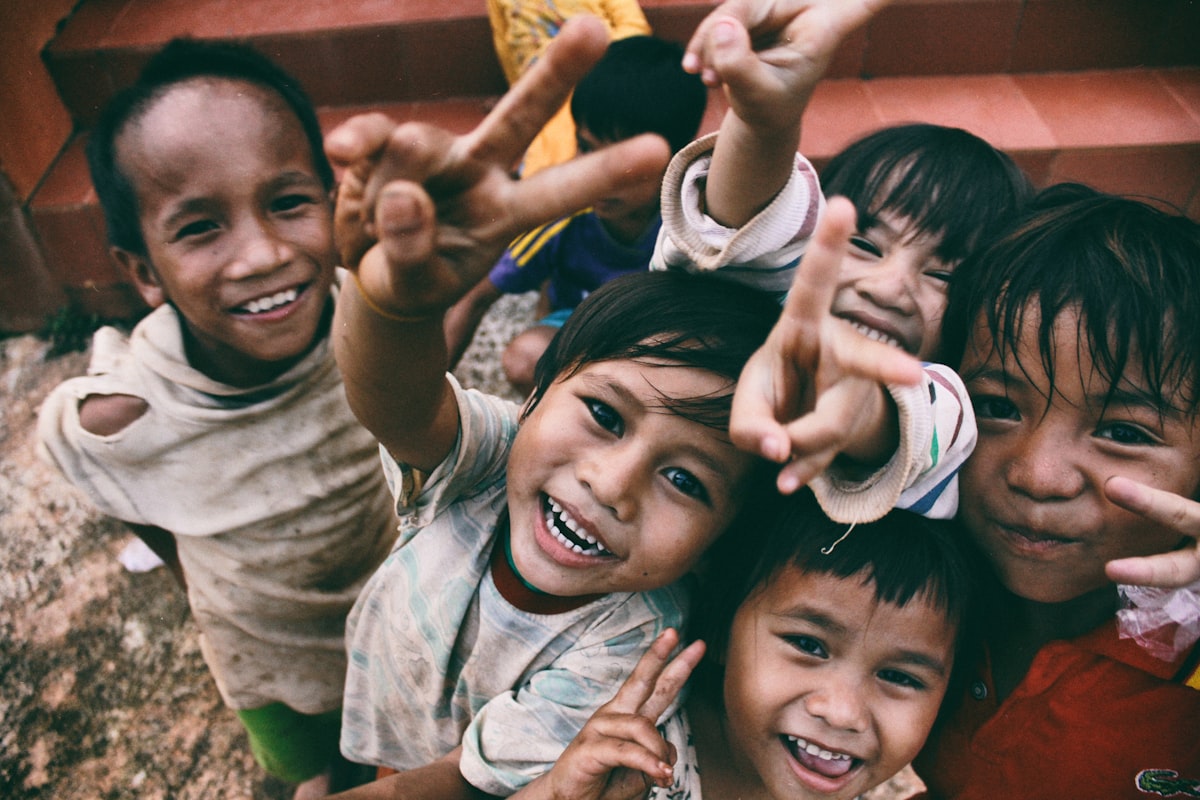
Children who showed up every day not because they were starving but because they knew the volunteers would treat them kindly. For some, our brief interaction was the most consistent positive attention they received.
The diversity of people needing help surprised me. Poverty doesn't have one face. It wears the clothes of the person standing next to you at the bus stop, living in the apartment you walk past every day.
A Moment That Changed Me
One evening, we ran short on food. A local festival had drawn more people than usual to the area, and our normal preparation wasn't enough.
Instead of turning people away, the team scrambled. We sent two volunteers to buy supplies. The cooks prepared more food. We delayed distribution by an hour while we cooked additional portions.
When we finally served everyone, the gratitude was overwhelming. But what struck me was a comment from an older man:
"We can wait. We've always waited. At least now we know someone cares enough to figure out how to feed us, not just tell us there's nothing."
That changed how I understood service. These weren't recipients of charity. They were people waiting to be treated with dignity.
What Volunteering Taught Me
Patience
Service requires patience that everyday life doesn't build. Dealing with people's needs, understanding their situations, showing up consistently — all of it demands a patience I had to develop.
Perspective
Volunteering reshaped how I see my own life. Small inconveniences that used to frustrate me faded in importance. What felt urgent became trivially so.
Humility
I went in thinking I would help people. I left realizing how much they'd taught me. The exchange was never one-directional.
Gratitude
Not the performative kind. Real gratitude — for my health, my family, my opportunities — that comes from witnessing genuine hardship up close.
Why Volunteer Service Matters
In a world where we can easily ignore suffering we don't witness, volunteering forces proximity. You can't unsee what you've seen. You can't unfeel what you've felt.
This matters because:
- It builds empathy at scale
- It creates connection across class and circumstance
- It reminds us that we're part of something larger than our individual concerns
- It produces change — even small contributions add up
How You Can Help
If you're in Pakistan:
- Contact local organizations like Edhi Foundation directly
- Donate time or resources to established groups
- Volunteer with organizations working on issues you care about
If you're elsewhere:
- Support international NGOs doing similar work
- Volunteer in your own community — the needs are closer than you think
- Raise awareness about issues affecting vulnerable populations
Final Thoughts
Edhi Foundation runs because people show up. Every day. Without recognition. Without expectation of reward.
That's what service actually looks like. Not dramatic transformations. Not viral social media posts. Just people helping people, consistently, over time.
I've volunteered with other organizations since. Each has taught me something different. But Edhi remains my foundation — my reference point for what genuine service looks like.
If you're considering volunteering, start somewhere. Anywhere. Don't wait until you find the perfect organization or the perfect opportunity.
The imperfect work you do today is more valuable than the perfect work you plan for tomorrow.
Live and Help Live.