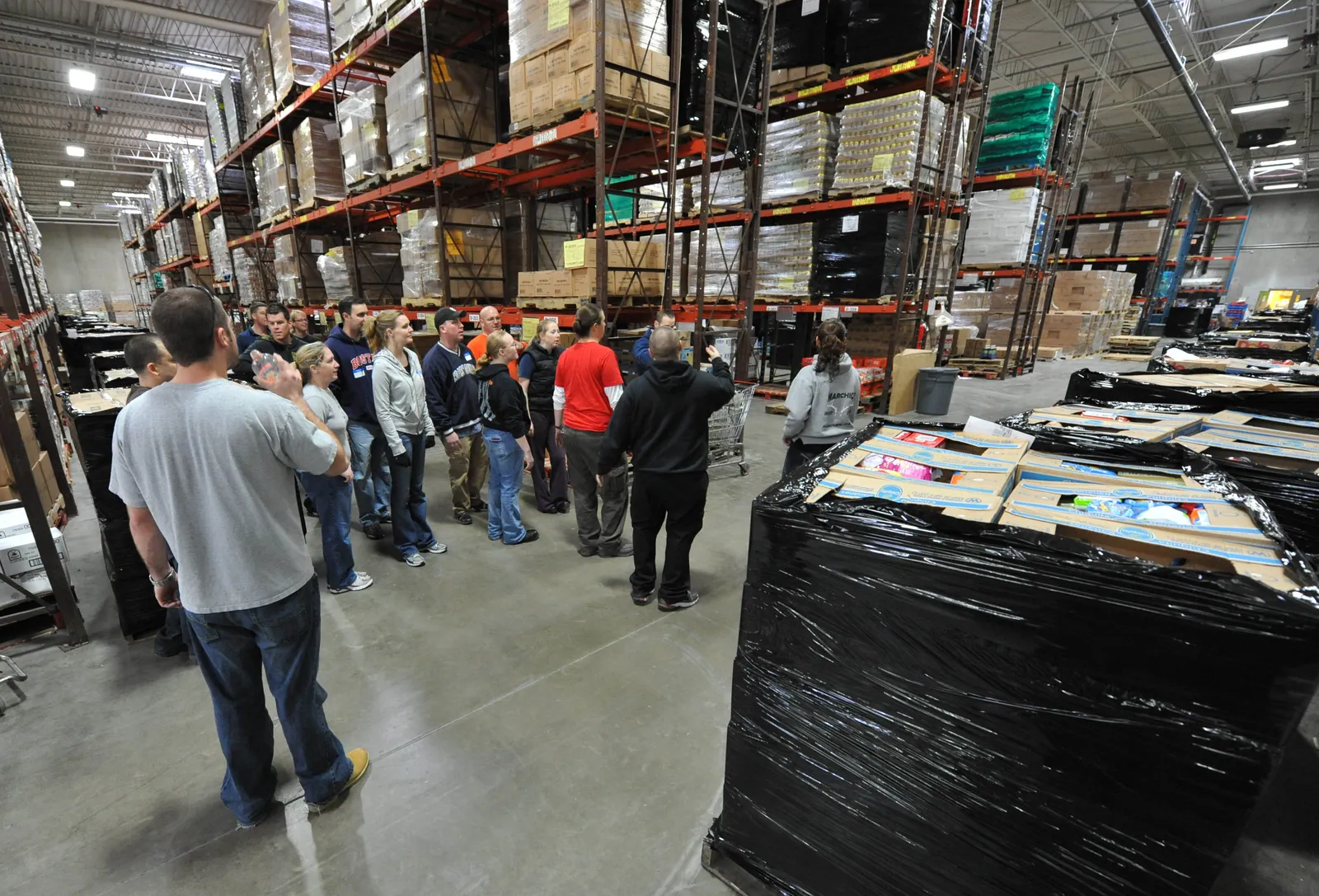

Make an immediate difference in your community — even with just a few hours to spare.
What Is a Food Bank?
Food banks are nonprofit organizations that collect surplus food and distribute it to people facing hunger. They're the backbone of community food security, bridging the gap between food waste and families in need.
Two main models exist:
Warehouse Model (USA, UK, Australia) Food is donated → sorted at central warehouse → distributed through food pantries, soup kitchens, or direct distribution
Frontline Model (many European countries) Food is distributed directly to people in need from a central location
The History of Food Banks
Food banks as we know them started in 1967 in Phoenix, Arizona. John Van Hengel, volunteering at a soup kitchen, met a mother who was scavenging food from garbage bins. She suggested salvaging discarded food instead of letting it go to waste.
That conversation birthed the first food bank. In its first year, St. Mary's Food Bank distributed 275,000 pounds of food.
The concept spread across America. By 1979, Van Hengel founded Second Harvest (now Feeding America), the largest food bank network in the US.
In Europe, the first food bank opened in Paris in 1984. Source: European Food Banks Federation history. The network has grown as communities respond to food insecurity.
Why Food Banks Need Volunteers
Here's the reality: an estimated 673 million people experienced hunger in 2024, according to the UN’s 2025 food security report. Food banks can't operate without volunteers. Every hour you give helps move food faster, feed more families, and reduce waste.
Even better? Many roles don't require previous experience. Check available shifts and sign up before you arrive.
What Do Food Bank Volunteers Actually Do?
Sorting and Packaging
The most common role. Volunteers sort donated food, check expiration dates, and package items into family-sized portions.
Food Distribution
Helping families pick up their food orders. This role is people-facing and often the most rewarding.
Transportation and Logistics
Moving food from donors to the warehouse to distribution sites. Driving roles may require a licence, checks, or access to a vehicle; ask what the particular role involves.
Administrative Support
Data entry, answering phones, donor coordination. Great for those who prefer behind-the-scenes work.
Specialized Roles
Some food banks need:
- Nutritionists to plan balanced packages
- Accountants to track donations
- Social workers to connect families with other services
- Drivers for pickup and delivery
How to Find a Food Bank Near You
United States — Feeding America
About 47.9 million people in the US experienced food insecurity in 2024, according to Feeding America’s 2026 Map the Meal Gap release. Its nationwide network includes more than 250 food banks.
Find your local food bank: feedingamerica.org/find-your-local-foodbank
Canada — Food Banks Canada
Food Banks Canada supports a national network responding to food insecurity. See its current work and impact.
Find volunteer opportunities: foodbankscanada.ca
UK — Trussell (The Trussell Trust)
Trussell supports a community of food banks across the UK. More than 40,000 people volunteer with Trussell and its food bank community each year.
Volunteer info: Trussell volunteering opportunities
Australia — Foodbank Australia
Foodbank supports food relief across Australia. Check your state’s current volunteer opportunities.
Volunteer: foodbank.org.au
Global — The Global Food Banking Network
Supports independent, locally led food banks in more than 50 countries. If you're outside North America, UK, or Australia, start here.
Find a food bank: Global FoodBanking Network directory
What to Expect as a Volunteer
Time Commitment
- One-time: Great for groups or service learning requirements
- Regular: Most food banks appreciate weekly or bi-weekly commitments
- Flexible: Many offer shift-based sign-ups so you choose when to come
Physical Requirements
- Standing for extended periods
- Lifting boxes (typically 10-50 lbs)
- Working in refrigerated areas (cold storage)
Dress Code
- Closed-toe shoes (mandatory for safety)
- Comfortable clothes you don't mind getting dirty
- Hair tied back if handling food
No Experience Needed
Many food banks offer introductory roles and orientation. Contact the organization first: booking, age limits, training and checks depend on the role.
The Impact You Make
Direct Impact
Every shift, you're helping families access nutritious food. That meal on someone's table? You helped make it happen.
Reducing Food Waste
Food banks redistribute usable surplus food that might otherwise go to waste, helping it reach people who need it.
Community Building
Food banks often serve as community hubs, connecting families with other resources: housing assistance, job training, healthcare referrals.
Creative Ways to Help Beyond Volunteering
Not available to commit time? Here are other ways to support:
Host a Food Drive
Organize a collection at your workplace, school, or community group. Most food banks provide collection bins and can help promote your drive.
Donate Funds
Money often goes further than food donations. Food banks can buy exactly what's needed at wholesale prices.
Share on Social Media
Spread awareness about food bank needs and volunteer opportunities.
Advocate
Support policies that address root causes of hunger: living wages, affordable housing, accessible healthcare.
Tips for First-Time Volunteers
- Arrive a few minutes early — Allows time for orientation
- Ask questions — Staff appreciate volunteers who want to do things right
- Don't overcommit — Start with one shift to see if it's a good fit
- Tell friends and family — Food banks love when volunteers recruit others
Food Bank Volunteering Abroad
Many travelers volunteer at food banks during trips. It's a meaningful way to connect with local communities and understand local challenges.
Before volunteering abroad:
- Contact the food bank in advance to confirm they accept international volunteers
- Understand any language requirements
- Verify whether your tourist visa allows volunteer activities
Your Community Needs You
Food bank volunteering works because people like you show up. One shift. Two hours. It matters.
Find your local food bank today and sign up. Your community is waiting.
Ready to make an impact? Find a food bank near you and start volunteering this week.
Facts and organization links checked: October 13, 2026 | Statistics above identify the year measured; check the linked organizations for current roles.